Diesel vs Petrol vs Gas Generators: Which Is Right for Your Project?
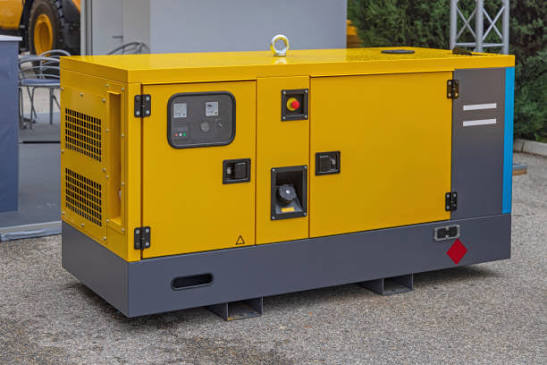
When people compare generators, they usually focus on size. How many kilowatts or kVA do I need? Will it run my equipment? These are important questions, but there is another decision that shapes cost, reliability, safety and convenience just as much: the type of fuel the generator uses.
The three most common options are diesel, petrol (gasoline) and gas, which usually means natural gas or liquefied petroleum gas (LPG). Each fuel has distinct strengths and weaknesses. A generator that is perfect for a camping trip would be a poor choice for a hospital, and a unit designed to power a construction site for six months would be excessive for a garden party.
This guide compares the three fuel types across the factors that matter most, including power output, running costs, runtime, maintenance, noise, emissions and fuel availability. By the end, you should have a clear idea of which option suits your project.
Diesel Generators
Diesel generators are the workhorses of the power industry. They are used on construction sites, at large events, in hospitals, data centres, factories and mines, and anywhere that needs substantial, dependable power for long periods.
Strengths. Diesel engines are highly fuel efficient, especially under heavy loads. They extract more energy from each litre of fuel than petrol engines, which lowers running costs on long projects. Diesel engines are also built for durability. With proper maintenance, industrial diesel units can run for tens of thousands of hours before a major overhaul. They handle continuous operation well and cope better with the large starting currents of motors, pumps and air conditioning.
Diesel is also safer to store than petrol because it is far less flammable and less volatile. This makes it practical to keep large quantities on site in bulk fuel tanks, extending runtime for days or weeks.
Weaknesses. Diesel generators have a higher upfront cost than petrol units of similar size, and they are heavier. Older or poorly maintained units can be noisy and produce visible exhaust. Emissions of nitrogen oxides and particulate matter are a concern, particularly in urban areas and at public events, although modern engines with advanced emissions controls are much cleaner. Diesel engines also dislike running at very light loads for long periods, which can cause a problem known as wet stacking.
Best for. Medium to large power requirements, long runtimes, continuous operation, construction, industrial facilities, events and standby power for critical buildings.
Petrol Generators
Petrol generators are the most familiar type for homeowners and small users. They are common for camping, tailgating, small DIY jobs and basic household backup.
Strengths. Petrol generators are generally inexpensive to buy, compact and lightweight. Many can be carried by one or two people. Petrol is available at almost every fuel station, and the engines are simple to start and operate. For occasional, short-term use at low power levels, they offer excellent convenience.
Weaknesses. Petrol engines are less fuel efficient than diesel engines, so running costs rise quickly with longer use. They typically have shorter operating lives and are not designed for continuous heavy-duty operation. Most petrol generators are limited to relatively small outputs, often under 10 kW.
Storage is a significant drawback. Petrol is highly flammable and must be handled carefully. It also degrades over time, often within a few months, which can cause starting problems if a generator sits unused. Because of these risks, storing large volumes of petrol on site is rarely practical or permitted.
Best for. Small loads, short durations and occasional use, such as camping, small outdoor gatherings, power tools and basic home backup for a few essential appliances.
Gas Generators (Natural Gas and LPG)
Gas generators run on natural gas supplied through a pipeline or on LPG (propane or butane) stored in cylinders or tanks. Some units are dual fuel, able to switch between petrol and LPG or between diesel and gas.
Strengths. Gas burns cleaner than both diesel and petrol, producing lower emissions of particulates and sulphur compounds. This makes gas generators attractive in areas with strict air quality rules. They are often quieter as well.
Where a natural gas pipeline is available, the fuel supply is effectively unlimited, and there is no need for refuelling. This makes pipeline-fed generators popular for permanent standby systems in homes and commercial buildings. LPG, meanwhile, stores well for long periods without degrading.
Weaknesses. Gas contains less energy per unit volume than diesel, so gas generators typically consume more fuel to produce the same power. They can also respond less quickly to large, sudden load changes. Initial costs for larger gas units can be high, and installation may require specialist gas connections and permits.
Fuel availability is the main limitation. Natural gas generators depend on a pipeline connection, which is not available on most construction sites or event locations. Pipelines can also be shut off during earthquakes or other emergencies. LPG requires delivery and safe cylinder storage, which becomes challenging for large or long-running applications.
Best for. Permanent standby installations with a pipeline connection, sites with strict emissions requirements and light to medium loads where cleaner operation is a priority.
Side-by-Side Comparison
| Factor | Diesel | Petrol | Gas (natural gas or LPG) |
|---|---|---|---|
| Typical power range | Small to very large | Small | Small to large |
| Fuel efficiency | High | Low to moderate | Moderate |
| Engine lifespan | Long | Short to moderate | Moderate to long |
| Continuous operation | Excellent | Limited | Good |
| Fuel storage safety | Good | Poor (highly flammable) | Good with proper handling |
| Fuel shelf life | Moderate (months to a year with treatment) | Short (weeks to months) | Long (LPG) or piped |
| Emissions | Higher, lower with modern controls | Moderate | Lowest of the three |
| Portability | Towable or static | Very portable | Varies |
| Upfront cost | Higher | Lowest | Moderate to high |
The table shows why diesel dominates in commercial, industrial and event applications, while petrol serves light personal use and gas suits permanent installations with pipeline access.
Which Fuel Type Suits Your Project?
Construction sites. Diesel is the clear choice. Sites need robust power for tools, lighting, welfare cabins and machinery, often for months at a time. Diesel's efficiency, durability and safe bulk storage make it the most practical and economical option.
Outdoor events and festivals. For anything beyond a small gathering, diesel is again the standard. Modern sound-attenuated diesel units run quietly enough for weddings and conferences, and external fuel tanks allow them to operate through multi-day events without interruption. For very small events, such as a garden party with a few lights and a speaker, a compact petrol or inverter unit may be enough.
Homes and villas. For permanent backup, a gas generator connected to the mains gas supply is popular where available, since it never needs refuelling. Diesel standby generators are common for larger properties and in regions without gas pipelines. Petrol units suit occasional emergency use for a few essential circuits.
Commercial buildings, hospitals and data centres. Diesel remains the most widely used standby fuel because it provides high power, fast response to load changes and on-site fuel storage that does not depend on external pipelines.
Film sets and outdoor broadcasts. Low noise and reliable output are essential. Silent diesel units are the usual choice for larger productions, while quiet inverter generators suit small crews.
Short-term or one-off projects. Many businesses find that renting is more cost-effective than buying, particularly for large units that would otherwise sit idle. A diesel generator rental arrangement typically includes delivery, installation, fuel management and maintenance, so the user avoids the cost of ownership while getting equipment sized for the job.
Other Factors to Consider
Beyond fuel type, several other considerations should shape your decision:
- Local regulations. Some cities and venues restrict noise levels or emissions, which may favour gas or modern low-emission diesel units.
- Fuel logistics. Consider how fuel will reach the site and how often. Remote sites benefit from fuels that can be stored safely in bulk.
- Renewable alternatives. Many diesel generators can now run on renewable diesel (HVO), which can significantly reduce lifecycle carbon emissions without engine modifications. Hybrid systems that pair a generator with battery storage are also becoming more common.
- Load profile. A constant heavy load suits diesel. A small or intermittent load may be better served by a smaller petrol, gas or hybrid solution.
Final Thoughts
There is no single best generator fuel. Each option is right for a different job. Diesel offers unmatched efficiency, durability and power for demanding and long-running applications. Petrol delivers affordable convenience for small, occasional needs. Gas provides cleaner, quieter operation and an unlimited supply where pipelines exist.
Start by defining how much power you need, for how long and in what setting. Then weigh fuel availability, storage safety, emissions rules and budget. With those factors clear, the right choice of generator usually becomes obvious.

About Premium Author
This post has been authored and published by one of our premium contributors, who are experts in their fields. They bring high-quality, well-researched content that adds significant value to our platform.
Popular Categories
Stay Connected
Recent Posts