IPTV UK: The Future of Flexible TV Viewing in 2026
The way we watch television is changing. For decades, viewers depended on fixed schedules, traditional broadcasting systems, satellite connections, and long-term television packages. Today, expectations are different. We want greater flexibility, convenient access, multiple viewing options, and entertainment that fits naturally around our daily routines.
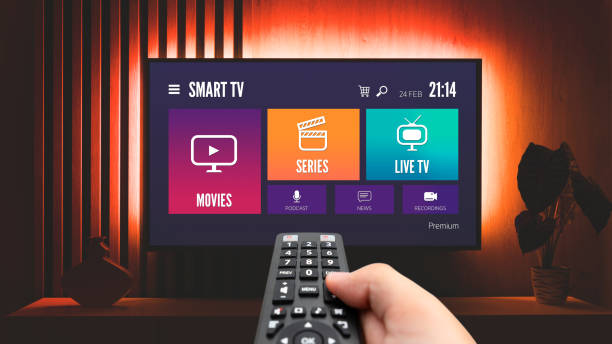
This shift has helped IPTV UK become an increasingly discussed approach to modern television streaming. Instead of relying entirely on conventional broadcasting methods, IPTV uses an internet connection to deliver television content to compatible devices. This creates a viewing environment that can be more adaptable to the way modern households consume entertainment.
As internet connectivity, smart televisions, streaming devices, and connected homes continue to develop, the appeal of internet-based television becomes easier to understand. A modern IPTV UK Subscription can offer viewers a different way to organise their television experience, particularly for people who value convenience and device flexibility.
What Is IPTV UK?
IPTV UK refers to internet-based television services designed for viewers in the United Kingdom. IPTV stands for Internet Protocol Television, meaning television content is delivered using internet protocol networks rather than being transmitted solely through traditional terrestrial, cable, or satellite broadcasting systems.
The basic concept is straightforward. Instead of receiving television programming through a conventional broadcast signal, compatible IPTV services deliver content through an internet connection.
This technology can support different types of television experiences, including:
- Live TV streaming
- On-demand television programmes
- Movies and entertainment
- Catch-up-style content
- Recorded or replayable programming
- International television channels
- Sports and special-interest programming, where legally provided
- Content accessed through compatible smart devices
The exact selection depends on the individual provider and its licensing arrangements. This makes it important for viewers to examine what a particular service actually includes before purchasing a subscription.
Why Flexible Television Is Becoming More Important
Modern lifestyles are rarely built around fixed television schedules. People work different hours, study remotely, travel frequently, use multiple devices, and consume entertainment at different times of the day.
Traditional television can still work well for many households, but internet television introduces another layer of flexibility.
With an appropriately configured IPTV subscription UK service, viewers may be able to access television through devices they already use for other forms of online entertainment. Depending on the provider, this can include smart TVs, streaming boxes, smartphones, tablets, computers, and other compatible platforms.
The result is a television experience that can fit around the viewer rather than requiring the viewer to organise their routine around the television schedule.
The Growing Appeal of IPTV UK Subscription Services
One of the biggest reasons people investigate an IPTV UK Subscription is convenience.
A conventional television setup may involve several separate components. Viewers might have a television package, set-top box, satellite equipment, additional subscriptions, and individual streaming applications.
An IPTV service can potentially bring different viewing categories together within a single platform, depending on the provider's content offering.
This can make the overall experience easier to manage.
However, convenience should not be confused with unlimited access to every programme or channel. A legitimate service can only provide content for which it has the appropriate rights or permissions. Therefore, checking the provider's terms, content information, and legitimacy is an essential part of choosing an IPTV service.
IPTV UK and the Rise of Connected Devices
Television is no longer limited to the television set in the living room.
The modern household can contain several connected screens. A smart TV might be used for evening entertainment, a tablet for casual viewing, a smartphone for short sessions, and a computer for work and entertainment.
This development has contributed significantly to the appeal of UK IPTV.
A well-designed IPTV platform may support multiple compatible devices, although the exact number of simultaneous streams and supported platforms varies between providers.
Before selecting an IPTV UK Subscription, we should therefore check device compatibility carefully.
Important questions include:
- Does the service support our smart TV?
- Is a dedicated application available?
- Does it work with the streaming device we already own?
- Can we use it on mobile devices?
- Are multiple devices permitted?
- Are simultaneous streams included?
- Does the provider provide installation or setup guidance?
These details can have a major effect on the overall viewing experience.
Streaming Quality Matters
Having access to a large content catalogue is only one part of a good television experience. Streaming quality is equally important.
A service should provide a viewing experience appropriate for the user's internet connection and compatible hardware. Depending on the provider and content, viewers may encounter different resolutions, including standard definition, high definition, and 4K.
However, higher resolution does not automatically guarantee better viewing.
Several factors can influence performance, including:
- Internet speed
- Network stability
- Wi-Fi signal strength
- Device capability
- Server performance
- Network congestion
- Video encoding
- Provider infrastructure
For this reason, choosing an IPTV UK service should involve looking beyond advertised resolution figures.
A reliable service with consistent delivery can be more useful than a service that simply promotes an impressive maximum resolution.
The Importance of Reliable IPTV Streaming
Reliability is one of the most important considerations when evaluating IPTV services.
Television viewers generally expect channels to load quickly and continue playing without unnecessary interruptions. Buffering, sudden disconnections, poor-quality streams, and unavailable channels can quickly undermine the benefits of internet television.
A dependable IPTV provider should therefore have suitable infrastructure to handle its customer base.
We should consider factors such as:
Server reliability:
Consistent infrastructure can contribute to more stable streaming.
Channel consistency:
A channel catalogue should be maintained rather than frequently changing without explanation.
Technical support:
Clear assistance can make setup and troubleshooting easier.
Application compatibility:
The service should work correctly with the devices it claims to support.
Transparent subscription information:
Pricing, features, limitations, and renewal conditions should be clearly communicated.
IPTV UK vs Traditional Television
The difference between IPTV and traditional television is primarily related to how content is delivered.
Traditional television can use terrestrial broadcasting, satellite transmission, or cable infrastructure. IPTV uses internet protocol networks to deliver television content.
This distinction can create a different viewing experience.
| Feature | Traditional Television | IPTV |
|---|---|---|
| Delivery method | Broadcast, satellite, or cable | Internet connection |
| Device flexibility | Often dependent on equipment | Often supports multiple connected devices |
| Viewing environment | Traditionally TV-focused | Designed for connected platforms |
| Internet requirement | Not always required | Required |
| On-demand potential | Depends on provider | Commonly supported |
| Installation | May require dedicated equipment | Often software/device based |
| Portability | Can be more equipment-dependent | Potentially easier across compatible devices |
Neither model is automatically suitable for every household. The right option depends on factors such as internet availability, viewing habits, preferred content, device ownership, and budget.
How IPTV Supports Modern Viewing Habits
Today's viewers increasingly expect television to behave like other digital services.
We are accustomed to searching for content, selecting what we want, switching between devices, and watching programmes at convenient times.
This has changed expectations around television.
The modern IPTV UK Subscription model can support this broader digital mindset by providing access through connected devices and internet-based platforms.
Instead of treating television as a single fixed service, IPTV can become part of a wider connected entertainment environment.
This is particularly relevant for households where different family members have different viewing preferences.
One person may prefer live television, another may prefer films, while someone else may watch programmes on a tablet or smartphone. A flexible platform can potentially accommodate these different habits, subject to the provider's available content and device policies.
What to Look for in the Best IPTV UK Service
Searching for the best IPTV UK option should involve more than looking at the number of advertised channels.
A large catalogue may sound attractive, but the quality of the service depends on much more than quantity.
1. Legitimate Content
We should verify that the provider has the necessary rights or permissions for the content it distributes. Avoid services that make unrealistic promises about unrestricted access to copyrighted programming without clear licensing information.
2. Device Compatibility
Check whether the platform works with the devices already available in the household.
Compatibility can save unnecessary equipment costs and make setup considerably easier.
3. Streaming Stability
A reliable service should provide consistent playback under normal network conditions.
Look for transparent information about infrastructure, technical support, and service performance.
4. Picture Quality
If high-definition or 4K content is important, check whether the provider actually supplies the desired content in those formats.
5. Customer Support
Good customer support can be particularly valuable during installation, account setup, application configuration, or troubleshooting.
6. Clear Subscription Terms
Before purchasing an IPTV UK Subscription, examine the pricing, renewal terms, cancellation policy, supported devices, and other conditions.
Transparency is an important indicator of a professional service.
The Role of Internet Speed in IPTV
Because IPTV depends on an internet connection, network performance plays an important role.
A household with a strong and stable broadband connection is generally better positioned for smooth streaming than one experiencing frequent connection problems.
Wi-Fi can also influence performance. A router located far from the television or separated by several walls may produce weaker connectivity.
For demanding video formats, especially high-resolution streams, viewers should pay attention to both broadband performance and local network conditions.
A wired Ethernet connection can sometimes provide a more consistent connection than weak or congested Wi-Fi, depending on the household setup.
IPTV and the Future of Home Entertainment
The future of television is increasingly connected.
Smart TVs, streaming devices, voice assistants, mobile applications, cloud-based services, and high-speed broadband are creating an environment where entertainment can move naturally between platforms.
Within this environment, IPTV UK represents one part of the broader transformation from traditional broadcasting toward internet-based entertainment.
The technology itself is not entirely new, but its relevance continues to grow as connected devices become more common.
Future IPTV platforms may place greater emphasis on personalisation, intuitive interfaces, improved search systems, multi-device access, adaptive streaming, and better integration with smart-home ecosystems.
Why IPTV UK Appeals to Different Types of Viewers
The appeal of UK IPTV is not limited to one specific audience.
For busy professionals, flexible viewing can make it easier to fit entertainment around work.
For families, multi-device compatibility can provide different viewing options around the home.
For technology-focused viewers, IPTV can integrate naturally with an existing connected-device environment.
For viewers who prefer on-demand entertainment, internet-based platforms can offer a more digital approach to content discovery.
The important point is that the value of IPTV depends on how closely its features match individual viewing habits.
Avoiding Common IPTV Subscription Mistakes
Choosing an IPTV service purely because it advertises thousands of channels can lead to disappointment.
A better approach is to evaluate the entire service.
We should avoid providers that:
- Hide important subscription terms
- Offer unclear pricing
- Make unrealistic claims
- Provide little information about their business
- Lack meaningful customer support
- Do not explain device compatibility
- Offer suspiciously broad access without licensing information
- Frequently change service details without explanation
A trustworthy IPTV experience should be based on transparency, legitimate content, reliability, compatibility, and customer support.
The Importance of Choosing a Legitimate IPTV Provider
As interest in IPTV increases, the market can include services with very different standards.
This makes provider selection especially important.
A legitimate IPTV service should provide clear information about what it offers and how its subscriptions work. Content should be distributed lawfully, and customers should be able to understand the terms before committing to a purchase.
We should also be cautious about services that promise unrealistic combinations of premium content, extremely low prices, unlimited access, and guaranteed performance without providing credible information.
The number of channels should never be the only deciding factor.
Is IPTV UK Suitable for Modern Households?
For households with reliable broadband and compatible devices, IPTV can provide an alternative approach to television consumption.
Its strongest appeal comes from flexibility.
Viewers can potentially move beyond the traditional idea of television as a fixed schedule delivered through a single piece of hardware. Instead, television becomes part of a broader digital ecosystem.
However, IPTV still depends on the quality of the service provider, the user's internet connection, compatible equipment, and the legality of the content being supplied.
These factors should all be considered before purchasing a subscription.
The Future of IPTV UK Subscription Services
The continued development of broadband infrastructure and connected devices is likely to influence how people think about television.
Consumers increasingly expect digital services to be convenient, accessible, searchable, and adaptable. Television is following the same direction.
An IPTV UK Subscription can fit into this environment by providing internet-based access through compatible platforms.
Future services may become increasingly focused on personalised recommendations, improved interfaces, flexible device support, advanced streaming technologies, and seamless integration between live and on-demand viewing.
The traditional television experience is therefore not disappearing overnight. Instead, it is becoming part of a much larger digital entertainment ecosystem.
Final Thoughts on IPTV UK’s Growing Appeal
The growing interest in IPTV UK reflects a broader change in the way modern audiences approach entertainment.
Viewers increasingly value flexibility, convenience, device compatibility, streaming quality, and control over how they consume television. Internet-based delivery can support these expectations while fitting naturally into today's connected homes.
At the same time, choosing an IPTV provider requires careful consideration. Content legitimacy, reliability, customer support, subscription transparency, device compatibility, and network requirements all matter.
The future of television is likely to be increasingly connected and flexible. As viewers become more accustomed to choosing how, where, and when they watch, IPTV UK Subscription services have an important role within the evolving landscape of internet television.
Ultimately, the strongest IPTV experience is not simply the one promising the largest catalogue. It is the one that combines legitimate content, dependable streaming, useful features, transparent terms, broad compatibility, and a viewing experience that genuinely fits modern life.
Frequently Asked Questions About IPTV UK
What does IPTV UK mean?
IPTV UK refers to television services that deliver content using internet protocol networks for viewers in the United Kingdom. Depending on the provider, services can include live television, on-demand programming, and other forms of internet-based entertainment.
Does IPTV require an internet connection?
Yes. IPTV relies on an internet connection to deliver television content. The quality of the viewing experience can therefore depend on broadband speed, network stability, device performance, and the provider's infrastructure.
Can IPTV work on a Smart TV?
Many IPTV services support compatible Smart TVs, but compatibility varies between providers and television operating systems. Always check the provider's supported-device list before subscribing.
What should we check before buying an IPTV UK Subscription?
We should examine content legitimacy, device compatibility, streaming reliability, picture quality, customer support, pricing, cancellation terms, and subscription conditions before making a purchase.
Is IPTV better than traditional television?
IPTV and traditional television use different delivery methods and can suit different viewing preferences. IPTV may appeal to people who value internet-based access and device flexibility, while traditional television remains suitable for viewers who prefer conventional broadcast, satellite, or cable services.
Does IPTV support 4K streaming?
Some IPTV providers offer 4K content, but availability depends on the provider, the specific programme, the compatible device, and the internet connection. A 4K-capable television alone does not guarantee that every stream will be delivered in 4K.
Why is IPTV becoming more popular?
The growing availability of high-speed broadband, Smart TVs, streaming devices, and connected entertainment platforms has made internet-based television increasingly accessible. The flexibility of digital viewing is another factor behind its growing appeal.
How can we choose a trustworthy IPTV provider?
Look for transparent subscription information, legitimate content, clear device compatibility, reliable technical support, realistic service claims, and straightforward pricing. Avoid providers that make suspicious promises or provide little information about the legality and operation of their service.

About Premium Author
This post has been authored and published by one of our premium contributors, who are experts in their fields. They bring high-quality, well-researched content that adds significant value to our platform.
Popular Categories
Stay Connected
Recent Posts