Military Surveillance Drones: Modern Defence Insights
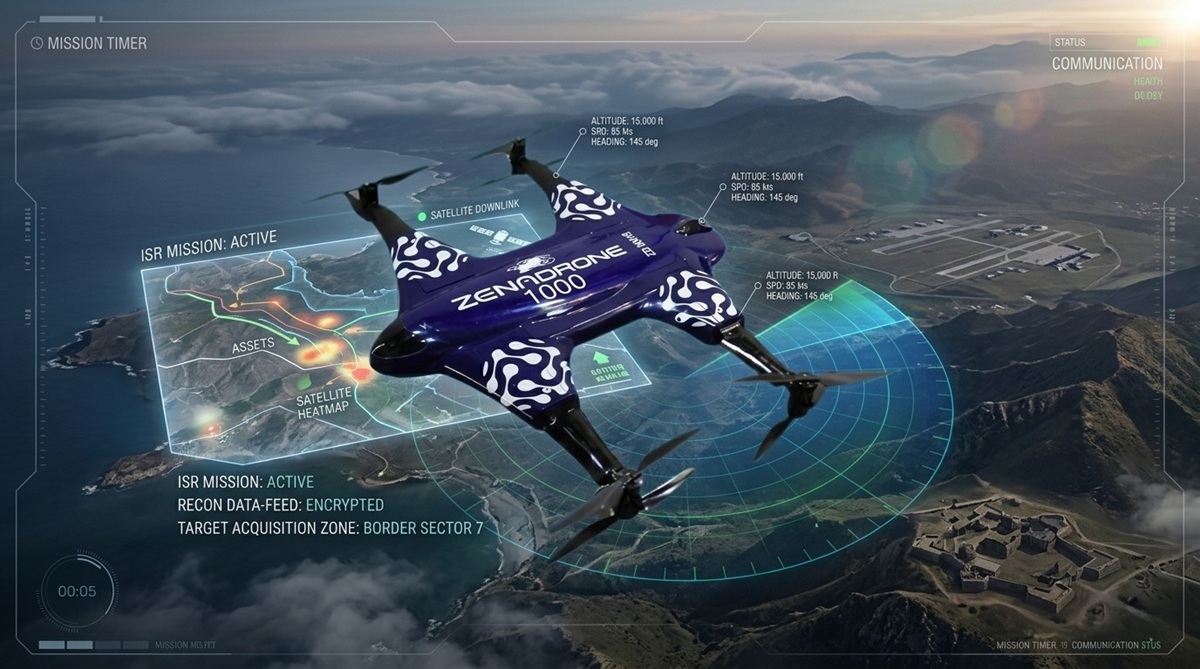
In today's rapidly evolving security landscape, Military Surveillance Drones have become indispensable assets for defence forces worldwide. These advanced unmanned aerial systems provide military organisations with the ability to monitor vast areas, collect critical intelligence, and support strategic decision-making without placing personnel in immediate danger.
From border security operations to battlefield monitoring, modern drone technology has transformed how military forces gather information and respond to emerging threats. As defence agencies continue investing in cutting-edge aerial capabilities, understanding the role of surveillance drones offers valuable insights into one of the most significant technological developments in contemporary defence operations. This article explores how these systems work, their benefits, challenges, and future developments shaping military intelligence and reconnaissance worldwide.
Understanding Military Surveillance Drones
Military Surveillance Drones are unmanned aircraft specifically designed to collect, process, and transmit intelligence data from the air. Unlike combat drones primarily equipped for offensive missions, surveillance-focused systems prioritise information gathering, observation, and situational awareness.
These platforms are equipped with sophisticated technologies, including:
- High-resolution optical cameras
- Infrared imaging sensors
- Radar systems
- Signal intelligence equipment
- Advanced communication networks
- Artificial intelligence-powered analytics
The primary objective is to provide commanders with accurate, real-time information that supports informed decision-making in complex operational environments.
The Evolution of Surveillance Drone Technology
The development of drone technology has accelerated significantly over the past two decades. Early unmanned systems offered limited range and basic imaging capabilities. Today's Defense Intelligence Drone Technology incorporates machine learning, autonomous navigation, and sophisticated sensor fusion systems.
Modern drones can remain airborne for extended periods, operate in challenging weather conditions, and transmit data instantly across secure military networks. This evolution has made them essential tools for intelligence and reconnaissance missions.
The Role of Intelligence Gathering Drones in Modern Defence
Enhancing Situational Awareness
One of the primary functions of Intelligence Gathering Drones is to provide comprehensive situational awareness. By monitoring areas from above, military personnel gain access to perspectives that would otherwise be difficult or dangerous to obtain.
These drones can:
- Observe troop movements
- Monitor border regions
- Identify potential security threats
- Track suspicious activities
- Support humanitarian and disaster-response operations
The ability to collect continuous information significantly improves operational effectiveness and strategic planning.
Supporting Tactical Decision-Making
Commanders increasingly rely on drone-generated intelligence to make rapid decisions. Accurate aerial information helps minimise uncertainty during military operations.
For example, surveillance drones can identify safe routes for ground forces, monitor evolving battlefield conditions, and provide early warning of potential threats. This real-time information can be crucial in reducing operational risks and improving mission success rates.
ISR Drones (Intelligence, Surveillance, and Reconnaissance): A Strategic Asset
What Are ISR Drones?
ISR Drones (Intelligence, Surveillance, and Reconnaissance) are specialised unmanned systems designed to collect, analyse, and distribute information from multiple sources.
These platforms serve three interconnected functions:
Intelligence
The collection and analysis of information regarding potential threats, adversaries, and operational environments.
Surveillance
Continuous monitoring of specific locations, activities, or individuals over time.
Reconnaissance
Targeted missions conducted to gather information about particular areas or objectives.
Together, these functions provide military leaders with comprehensive operational awareness.
Key Features of ISR Drone Systems
Modern ISR platforms typically include:
- Long-endurance flight capabilities
- Multi-sensor payloads
- Secure communications systems
- Automated target recognition
- Data-sharing capabilities across command structures
These features allow ISR systems to deliver actionable intelligence quickly and efficiently.
Military Reconnaissance UAVs and Their Applications
Border Security Operations
Many nations deploy Military Reconnaissance UAVs to monitor extensive border regions. Traditional patrol methods can be resource-intensive and limited by terrain. Drones provide a cost-effective solution by covering large areas with minimal human involvement.
Their capabilities include:
- Detecting illegal crossings
- Monitoring smuggling routes
- Identifying unusual activities
- Supporting rapid response teams
Maritime Surveillance
Military organisations also use reconnaissance UAVs to monitor coastal waters and strategic maritime zones.
These drones assist with:
- Tracking vessel movements
- Identifying unauthorised maritime activity
- Monitoring shipping lanes
- Supporting naval operations
Maritime surveillance contributes significantly to national security and economic stability.
Disaster Response and Humanitarian Missions
Although primarily associated with defence, surveillance drones often support humanitarian operations.
Applications include:
- Assessing disaster-affected regions
- Locating stranded individuals
- Evaluating infrastructure damage
- Delivering situational updates to emergency responders
These capabilities demonstrate the versatility of modern surveillance platforms beyond traditional military roles.
The Importance of Real-Time Aerial Surveillance
Faster Response to Emerging Threats
One of the most significant advantages of Real-Time Aerial Surveillance is the ability to detect and respond to threats immediately.
Instead of relying solely on delayed reports or satellite imagery, military commanders receive live updates from operational areas. This rapid access to information enables quicker reactions and more effective resource allocation.
Improved Operational Coordination
Real-time surveillance supports coordination among different military branches and allied forces. Shared intelligence helps create a unified operational picture, ensuring all stakeholders have access to consistent information.
As a result, decision-makers can synchronise activities more effectively and reduce communication gaps during critical operations.
Benefits of Military Surveillance Drones
Enhanced Personnel Safety
Perhaps the greatest advantage of Military Surveillance Drones is their ability to reduce risks to human personnel.
By deploying unmanned systems in hazardous environments, military organisations can gather intelligence without exposing soldiers to immediate danger.
Cost-Effective Intelligence Collection
Compared with manned aircraft operations, surveillance drones generally require:
- Lower operational costs
- Reduced maintenance expenses
- Smaller support teams
- Less fuel consumption
These efficiencies make drones attractive investments for defence organisations seeking long-term operational value.
Persistent Monitoring Capabilities
Many modern surveillance platforms can remain airborne for several hours or even days.
This persistence enables:
- Continuous observation
- Pattern-of-life analysis
- Long-term threat monitoring
- Enhanced intelligence accuracy
Such capabilities are particularly valuable in dynamic operational environments.
Common Challenges and Solutions
Data Overload
Modern drones generate enormous volumes of information. Processing and analysing this data efficiently can be challenging.
Solution
Artificial intelligence and machine learning technologies increasingly help filter, prioritise, and interpret collected information. Automated analytics enable personnel to focus on the most relevant intelligence.
Cybersecurity Risks
As surveillance systems become more connected, they may face cyber threats targeting communication networks and data storage systems.
Solution
Defence organisations invest heavily in:
- Encryption technologies
- Secure communication protocols
- Cybersecurity monitoring systems
- Network resilience strategies
These measures help protect sensitive intelligence assets.
Regulatory and Ethical Considerations
The growing use of surveillance technology raises important questions regarding privacy, accountability, and operational transparency.
Solution
Many governments establish clear legal frameworks governing drone deployment while maintaining oversight and compliance standards.
Future Trends in Defense Intelligence Drone Technology
Artificial Intelligence Integration
The future of Defense Intelligence Drone Technology is closely linked to artificial intelligence.
AI-powered systems are expected to:
- Improve target recognition
- Enhance autonomous navigation
- Accelerate intelligence analysis
- Support predictive threat assessments
These capabilities could significantly increase operational effectiveness.
Swarm Drone Technology
Drone swarms involve multiple unmanned systems working collaboratively.
Potential advantages include:
- Wider surveillance coverage
- Increased operational flexibility
- Greater resilience against disruptions
- Enhanced mission adaptability
Defence researchers continue exploring swarm applications for intelligence and reconnaissance missions.
Advanced Sensor Development
Emerging sensor technologies promise higher levels of accuracy and detection capability.
Future surveillance systems may feature:
- Improved thermal imaging
- Advanced radar systems
- Enhanced signal intelligence tools
- Multi-domain sensing capabilities
These developments will further strengthen intelligence collection capabilities.
Greater International Collaboration
Many allied nations are increasingly sharing intelligence resources and technological expertise. Collaborative drone programmes may improve interoperability and create more efficient defence partnerships in the years ahead.
Conclusion
Military Surveillance Drones have transformed modern defence operations by delivering valuable intelligence, improving situational awareness, and enhancing operational safety. From supporting border security and maritime monitoring to enabling sophisticated ISR missions, these systems continue to play a vital role in national security strategies worldwide.
As technologies such as artificial intelligence, advanced sensors, and autonomous systems continue to evolve, the capabilities of surveillance drones are expected to expand significantly. Understanding these developments provides valuable insight into the future of defence innovation and intelligence operations. For students, professionals, and technology enthusiasts interested in emerging defence technologies, staying informed about drone advancements offers a fascinating perspective on the changing nature of global security.
FAQs
What are Military Surveillance Drones?
Military Surveillance Drones are unmanned aerial systems designed to gather intelligence, monitor activities, and provide real-time information for defence and security operations.
How do Intelligence Gathering Drones collect information?
They use cameras, infrared sensors, radar systems, and communication technologies to capture and transmit intelligence data from operational environments.
What is the difference between surveillance drones and combat drones?
Surveillance drones focus primarily on intelligence collection and monitoring, while combat drones are equipped to carry out offensive missions.
Why are ISR Drones important in military operations?
ISR Drones provide intelligence, surveillance, and reconnaissance capabilities that improve situational awareness, support decision-making, and enhance mission effectiveness.
What future technologies will improve Military Surveillance Drones?
Artificial intelligence, swarm technology, advanced sensors, autonomous navigation systems, and enhanced cybersecurity measures are expected to shape future drone capabilities.

About Premium Author
This post has been authored and published by one of our premium contributors, who are experts in their fields. They bring high-quality, well-researched content that adds significant value to our platform.

Popular Categories
Stay Connected
Recent Posts