Peace In War: Exploring the Future of Urban Fashion
How Modern Streetwear Is Shaping a More Individual, Creative, and Expressive Fashion Culture
Urban fashion has always reflected the energy of the environments where it develops. From busy city streets to creative neighborhoods, modern clothing continues to evolve alongside music, art, technology, and changing lifestyles. What makes urban fashion especially interesting is its ability to transform everyday clothing into a form of personal expression. In this evolving landscape, peace in war represents a powerful concept that connects contemporary style with ideas of balance, individuality, and resilience.
The Evolution of Urban Fashion
Urban fashion has changed considerably over the years. Earlier styles were often closely connected to specific communities, music scenes, and local cultures. Over time, these influences spread beyond their original environments and became part of a much broader fashion conversation.
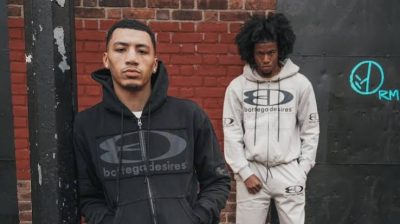
Today, urban fashion includes a wide variety of silhouettes, graphics, layering techniques, footwear choices, and accessories. There is no single formula that defines it. Instead, its strength comes from its ability to combine different influences and allow individuals to create something personal.
This flexibility has helped streetwear become one of the most influential parts of contemporary urban style.
Why the Future of Fashion Is More Personal
Consumers are becoming increasingly interested in personal style rather than simply following seasonal trends. The availability of fashion inspiration through digital platforms has made it easier for people to discover different aesthetics and experiment with their own wardrobes.
Instead of asking what everyone else is wearing, many people are asking what feels authentic to them. This shift is important because it changes fashion from a system of imitation into a form of individual creativity.
The concept of peaceinwar can connect with this movement by offering a recognizable identity that can be interpreted differently by different people.
The Meaning Behind Peace In War
The phrase peace in war creates a natural contrast between two powerful ideas. It can suggest finding calm during difficult moments, maintaining confidence under pressure, or creating balance between opposing forces.
When translated into fashion, this philosophy can become a source of creative storytelling. Streetwear often communicates through visual contrasts, bold graphics, unexpected combinations, and simple statements. A meaningful concept can therefore become part of the identity behind the clothing.
Rather than treating fashion as decoration, this approach allows garments to carry an idea that people can connect with personally.
Urban Fashion as a Form of Communication
Clothing has always communicated information about the person wearing it. However, modern urban fashion has expanded this role by making personal expression more visible and accessible.
A graphic shirt may reflect an interest or belief. A particular silhouette may communicate confidence. A carefully styled combination of colors and textures can reveal a person's creative personality.
This is why urban fashion continues to attract people who want more control over how they present themselves. Clothing becomes part of a visual language, allowing individuals to communicate without saying anything directly.
The Growing Importance of Streetwear
Streetwear has become a major influence on urban fashion because it combines practicality with creativity. Comfortable silhouettes, casual layers, and versatile pieces can easily become part of everyday wardrobes.
The appeal is not limited to one age group or lifestyle. Different people can approach streetwear in completely different ways. Some prefer understated looks, while others enjoy expressive graphics and distinctive styling.
This freedom is one of the main reasons streetwear has remained relevant while fashion trends continue to change.
Technology Is Changing How Fashion Is Discovered
The future of urban fashion will be strongly influenced by technology. Social media has already changed how consumers discover brands, follow trends, and share their personal styles.
Fashion inspiration is now available almost instantly. A person can discover a new styling idea from another country, adapt it to their own wardrobe, and share the result with a completely different audience.
For emerging brands, this creates opportunities that were much harder to access in the past. A strong visual identity can attract attention across digital communities without relying entirely on traditional fashion media.
The Rise of Independent Fashion Identities
Large fashion companies have traditionally dominated much of the industry, but digital platforms have created more space for independent brands and niche communities. Smaller labels can develop unique identities and communicate directly with their audiences.
This shift is especially relevant to streetwear because the culture has historically valued originality and community. Independent fashion concepts can focus on specific ideas and build audiences around shared interests.
For peaceinwar clothing, this broader movement highlights the importance of developing an identity that feels recognizable while remaining flexible enough to evolve.
Fashion and Cultural Influence
Urban fashion does not develop in isolation. Music, art, sports, photography, gaming, and online communities all contribute to its evolution.
A new generation of consumers is exposed to influences from around the world. This creates a fashion culture where different references can exist together. A person might combine elements inspired by vintage clothing, contemporary streetwear, sportswear, and modern digital aesthetics.
This cultural mixing is likely to become even more important in the future. Urban fashion will continue to evolve through collaboration and reinterpretation rather than following one fixed direction.
Comfort Will Continue to Matter
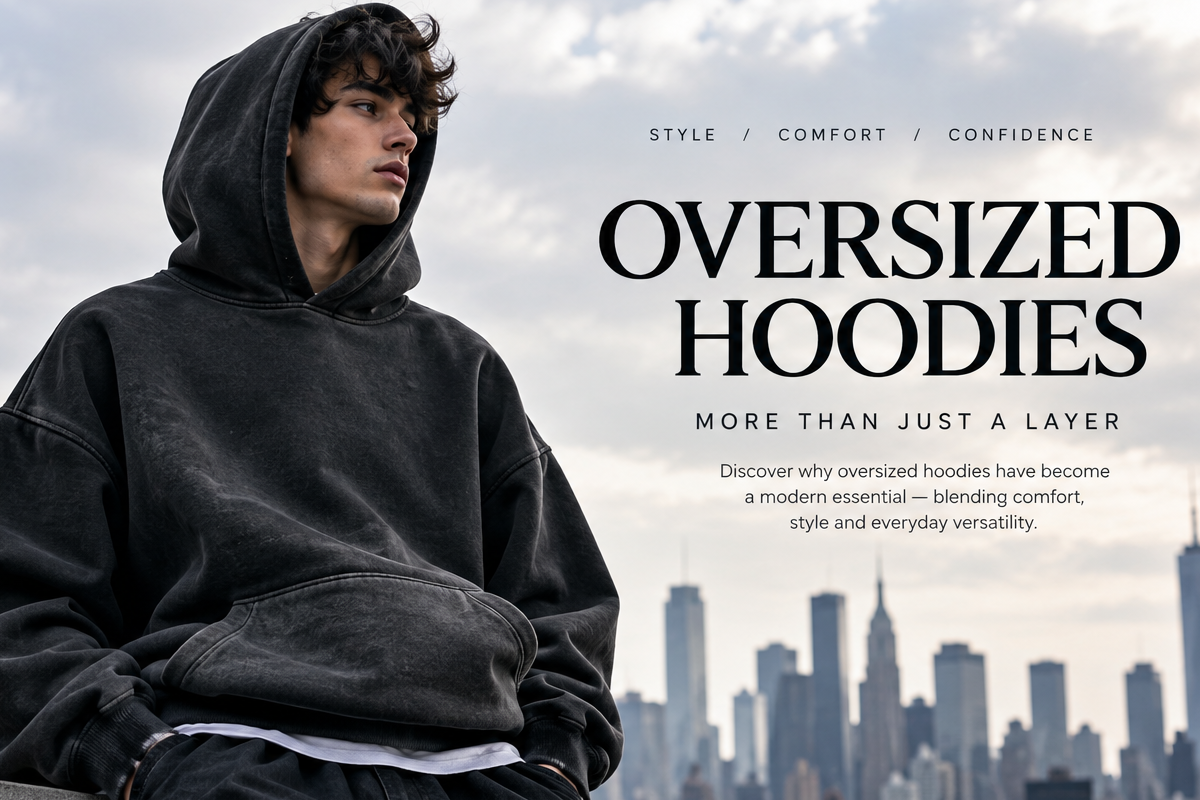
One of the clearest trends shaping modern fashion is the growing demand for comfort. Consumers want clothing that works with their lifestyles instead of restricting movement or requiring complicated styling.Streetwear has benefited from this change because comfort has always been part of its identity. Relaxed shapes and practical pieces can provide freedom while still allowing individuals to create distinctive outfits.Future urban fashion is likely to continue combining comfortable construction with stronger visual identities. The goal will not simply be to look good or feel comfortable, but to achieve both at the same time.
Sustainability and More Thoughtful Consumption
The future of fashion is also likely to involve greater attention to how people consume clothing. Many consumers are becoming more conscious of purchasing decisions and are interested in versatility, longevity, and thoughtful design.
Rather than constantly replacing their wardrobes, people may increasingly look for pieces that can be styled in multiple ways and remain useful over time.
This creates an opportunity for urban fashion to move toward a more intentional approach. Versatile clothing can support personal creativity while reducing the pressure to constantly follow every new trend.
The Role of Meaningful Branding
A memorable fashion brand needs more than attractive clothing. In a competitive market, consumers often look for a story, philosophy, or identity that makes a concept feel different.
The name Peace In War naturally creates curiosity because it combines two contrasting ideas. That contrast can become part of a broader visual and cultural identity.
Meaningful branding can help consumers understand what a fashion concept represents while still allowing them to create their own interpretation. This is particularly powerful in streetwear, where personal meaning and cultural connection often influence purchasing decisions.
What the Next Generation Wants From Fashion
The next generation of fashion consumers is likely to value authenticity, flexibility, creativity, and individuality. They are surrounded by more fashion choices than ever before, making personal relevance increasingly important.
They may not want clothing simply because it is popular. Instead, they may look for designs that fit their personalities, lifestyles, and perspectives.
This could encourage the continued growth of streetwear concepts that focus on strong identities and meaningful ideas rather than relying only on short-lived trends.
Peace In War and the Future of Urban Style
The future of urban fashion will not be defined by one particular color, silhouette, or trend. It will be shaped by the ability of people to reinterpret fashion according to their own lives.
The concept of peace in war fits into this future because it can represent balance in a constantly changing environment. It suggests that strength and calm can exist together, just as comfort and creativity can coexist within modern streetwear.
As peaceinwar develops within the broader urban fashion conversation, its potential identity can be connected to the growing demand for clothing that feels expressive, versatile, and meaningful.
Conclusion: A New Direction for Urban Fashion
Urban fashion is entering an exciting period of change. Technology, culture, social media, creative communities, and evolving consumer expectations are all influencing how people dress and express themselves.
Streetwear will likely remain an important part of this future because it provides freedom. It allows people to combine comfort with personality and trends with individuality. At the same time, emerging fashion concepts have the opportunity to introduce new ideas into an already diverse culture.
Peace in war represents one such idea. Its contrast provides a foundation for exploring resilience, balance, creativity, and self-expression through modern clothing. As urban fashion continues to evolve, the most influential concepts may be those that give people more than something to wear—they may give them a way to express who they are.

About Premium Author
This post has been authored and published by one of our premium contributors, who are experts in their fields. They bring high-quality, well-researched content that adds significant value to our platform.
You Might Also Like
Popular Categories
Stay Connected
Recent Posts