Why Vector Art Conversion Services Are Essential for High-Quality Printing
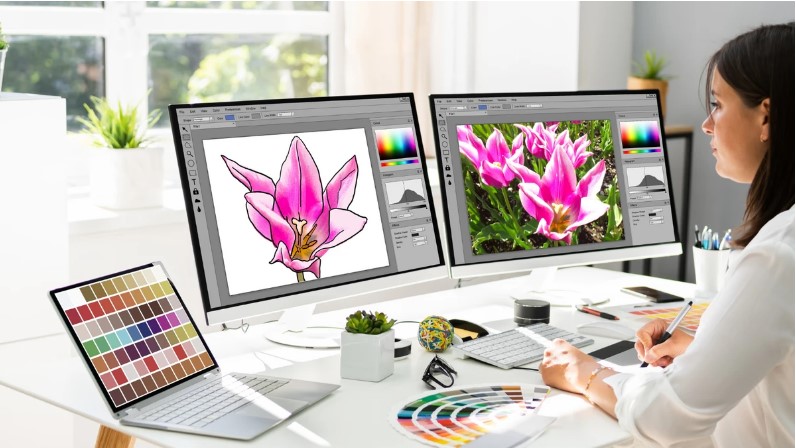
Good printing starts with good artwork. No matter how advanced the printer is, the final result depends on the quality of the design file. A clear and sharp design helps create clean prints on shirts, signs, banners, business cards, packaging, and many other products. That is why many businesses choose vector artwork instead of regular image files.
Professional Vector Art Conversion Services help turn low-quality images into clean vector files that can be resized without losing quality. This process makes artwork ready for many types of printing. At Absolute Digitizer, we have worked with many businesses that needed better print quality, and we have seen how the right vector file can improve every project from start to finish.
What Is Vector Art?
Vector art is a type of digital image made with lines, shapes, and points instead of tiny dots called pixels.
Because of this, a vector file can be made larger or smaller without becoming blurry.
This makes vector artwork the best choice for professional printing.
Some common vector file formats include:
- AI
- EPS
- SVG
These formats are widely used by print shops and design professionals.
What Is Vector Art Conversion?
Vector art conversion is the process of changing a raster image into a vector file.
A raster image is made from pixels.
Examples include:
- JPG
- PNG
- GIF
- BMP
These files often lose quality when enlarged.
During conversion, a designer redraws the artwork using vector paths. This creates smooth edges and sharp lines that stay clear at any size.
Why High-Quality Printing Needs Vector Files
Printing requires accuracy.
Even a small logo should look sharp on every product.
Raster images may appear fine on a screen, but they often become blurry during printing.
Vector files solve this problem.
They provide:
- Sharp edges
- Clean text
- Smooth curves
- Better color control
- Professional print quality
This is why many printers request vector artwork before production begins.
How Vector Art Conversion Works
Creating a quality vector file takes careful work.
Step 1: Review the Original Image
The process begins with checking the image.
The designer looks at:
- Image quality
- Colors
- Shapes
- Text
- Small details
This helps determine how much work is needed.
Step 2: Redraw the Artwork
The artwork is recreated using vector tools.
Every shape is drawn by hand.
Curves are adjusted carefully to match the original design.
This step requires patience and attention to detail.
Step 3: Match Colors
Colors are recreated as closely as possible.
This helps maintain the original brand identity.
Accurate colors are especially important for company logos.
Step 4: Check Every Detail
Before delivery, the designer reviews the artwork carefully.
The file is checked for:
- Clean outlines
- Smooth curves
- Proper spacing
- Correct colors
- Sharp text
This quality check helps avoid printing problems later.
Benefits of Vector Art Conversion
Businesses receive many advantages when using vector files.
Better Print Quality
Vector artwork produces crisp and clean prints.
Even large banners remain sharp.
Unlimited Resizing
One vector file works for many products.
It can be used on:
- Pens
- Shirts
- Billboards
- Vehicle wraps
- Trade show displays
The quality stays the same.
Faster Printing Process
Print shops work more efficiently with vector files.
Less editing is needed before printing begins.
This saves time and reduces delays.
Easy Editing
Text, colors, and shapes can be changed without reducing quality.
This makes future updates simple.
Long-Term Value
A vector file can be used for years.
Businesses do not need to recreate the artwork for every new project.
Where Vector Files Are Used
Vector artwork supports many industries.
Common uses include:
Business Branding
Logos appear on many products.
Vector files keep every logo clear and consistent.
Apparel Printing
Custom shirts, hoodies, hats, and uniforms require clean artwork.
Vector files help create better screen printing and heat transfer results.
Signs and Banners
Large signs need artwork that stays sharp at bigger sizes.
Vector graphics make this possible.
Promotional Products
Many promotional items have small printing areas.
Sharp vector artwork improves readability.
Examples include:
- Pens
- Mugs
- Keychains
- Water bottles
- Notebooks
Vehicle Graphics
Cars, vans, and trucks often display company logos.
Large vehicle wraps require scalable artwork.
Vector files maintain excellent quality.
Common Problems With Raster Images
Many businesses only have JPG or PNG logos.
These files often create printing issues.
Blurry Images
Low-resolution images become fuzzy when enlarged.
Jagged Edges
Pixel-based artwork creates rough outlines.
Poor Text Quality
Small letters may become difficult to read.
Limited Editing
Making changes to raster files is often difficult.
These problems can delay printing and reduce the final quality.
Why Professional Conversion Matters
Many free online tools promise instant vector conversion.
However, automatic software often misses small details.
It may create:
- Uneven lines
- Extra shapes
- Broken curves
- Incorrect colors
Professional designers recreate the artwork carefully.
They check every line by hand.
This produces cleaner files that perform better during printing.
Tips for Better Vector Artwork
Good results begin with good preparation.
Start With the Best Image
A clear image helps the designer create a more accurate vector file.
Higher resolution usually means better results.
Keep the Design Simple
Simple logos often print better than overly detailed artwork.
Clean shapes improve readability.
Use Brand Colors
Consistent colors help customers recognize your business.
Always use the same color values across all materials.
Save the Original Files
Keep your vector files organized.
This makes future projects much easier.
Choosing the Right Vector Art Conversion Service
Selecting the right provider helps ensure quality.
Experience
Choose a company with real experience in vector artwork.
Experienced designers understand printing requirements.
Attention to Detail
Every curve, letter, and color should be reviewed carefully.
Small details create professional results.
Fast Delivery
Businesses often work with deadlines.
Reliable service helps projects stay on schedule.
Customer Support
Good communication makes the process simple.
Questions should be answered quickly and clearly.
At Absolute Digitizer, every vector conversion project receives careful attention from start to finish. Each design is reviewed closely to help create clean artwork that is ready for professional printing.
Why Businesses Trust Vector Files
A business logo appears almost everywhere.
It may be printed on:
- Uniforms
- Packaging
- Business cards
- Signs
- Vehicles
- Marketing materials
Every version should look exactly the same.
Vector artwork makes this possible.
Consistent branding helps customers remember a business and builds trust over time.
The Role of Vector Files in Different Printing Methods
Different printing methods need high-quality artwork.
Screen Printing
Screen printing works best with clean vector designs.
Sharp lines create better results.
Digital Printing
Vector artwork provides smooth edges and accurate colors.
Vinyl Cutting
Cutting machines follow vector paths.
Without vector files, accurate cutting becomes difficult.
Laser Engraving
Many engraving machines also use vector files to create clean and precise results.
How Vector Files Save Time and Money
Good artwork reduces production problems.
Print shops spend less time fixing files.
Businesses avoid costly reprints caused by poor image quality.
A single vector file can also be reused for future projects.
This saves money over the long term.
Many businesses see vector conversion as an investment instead of an expense.
Building Trust Through Quality Design
Customers often judge a business by its appearance.
A blurry logo may seem unprofessional.
A sharp logo creates confidence.
Professional artwork shows attention to detail.
It tells customers that the business cares about quality.
At Absolute Digitizer, creating clean vector artwork is about more than improving images. It is about helping businesses present a strong and professional brand wherever their designs appear.
Final Thoughts
Vector artwork is one of the most important parts of professional printing. It keeps logos sharp, text clear, and designs ready for every size and product. From business cards to large banners, vector files provide the quality and flexibility that modern printing requires.
Professional vector art conversion also saves time, reduces printing problems, and supports consistent branding across every project. By working with experienced designers and using properly created vector files, businesses can achieve better print results and build a stronger brand image. Whether you are updating an old logo or preparing artwork for new marketing materials, investing in quality vector conversion is a smart step toward clean, professional, and reliable printing.

About Premium Author
This post has been authored and published by one of our premium contributors, who are experts in their fields. They bring high-quality, well-researched content that adds significant value to our platform.
Popular Categories
Stay Connected
Recent Posts