11 Month Warranty Inspections: 2026 New Home Guide
Buying a newly constructed home is exciting. Fresh finishes, modern appliances, new systems, and a home designed to current building standards can make the move feel like the beginning of a new chapter. However, "new" does not automatically mean "perfect."
Construction involves hundreds of components, multiple trades, and countless details. Some defects may not become noticeable until the home has been occupied for several months. This is why scheduling an inspection before the builder's warranty period expires can be a smart decision.
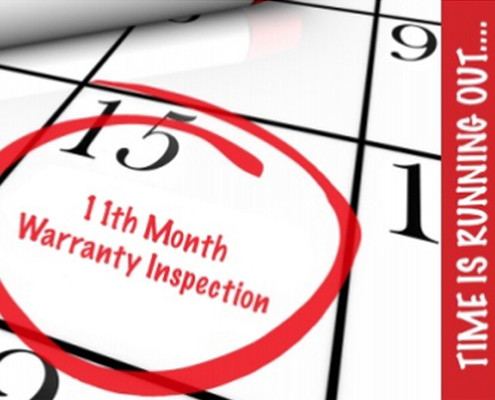
11 month warranty inspections are designed to help homeowners identify visible defects and maintenance concerns before an applicable one-year builder warranty reaches its expiration point.
In 2026, homeowners are increasingly taking a proactive approach to protecting their new-home investment. Instead of waiting for a problem to become serious, they are using the warranty period as an opportunity to have the property professionally evaluated.
What Is an 11-Month Warranty Inspection?
An 11-month warranty inspection is a professional inspection performed near the end of the first year of ownership, typically before an applicable builder warranty expires.
The timing is important because homeowners have had enough time to live in the property and observe how different components perform through changing weather and normal use.
A professional inspector can evaluate accessible areas and document visible concerns that the homeowner may want to bring to the builder's attention.
The exact warranty terms and deadlines vary by builder and contract, so homeowners should review their warranty documents carefully.
Why Wait Until Month 11?
A new home changes during its first year.
Materials can settle, expand, contract, dry, and respond to temperature and humidity changes. Mechanical systems also experience normal use that can reveal problems that were not apparent immediately after construction.
By month 11, homeowners may have noticed:
- Doors that no longer close properly
- Cracks in drywall
- Plumbing leaks
- Drainage concerns
- HVAC issues
- Window problems
- Electrical concerns
- Water intrusion
- Defects in finishes
A professional inspection near the end of the warranty period can help organize these observations into a more comprehensive list.
What Can an 11-Month Inspection Cover?
The exact scope depends on the inspection agreement and property, but a comprehensive new-construction warranty inspection may review accessible components throughout the home.
Areas can include:
Exterior
The inspector may examine accessible exterior components for visible defects, deterioration, drainage concerns, or improper installation.
Roof
Accessible roofing components can be reviewed for visible signs of damage, deterioration, or installation concerns.
Plumbing
Fixtures, visible piping, drains, water heaters, and accessible plumbing components may be evaluated for observable problems.
Electrical
Accessible electrical components, outlets, switches, fixtures, and panels may be reviewed for visible deficiencies.
HVAC
The heating and cooling system can be evaluated for apparent operation and visible concerns.
Interior
Walls, ceilings, floors, doors, windows, cabinets, stairs, and other accessible components can be examined.
The purpose is to identify observable conditions that may warrant correction or further evaluation.
Common Issues Found in New Homes
New construction can still contain defects.
Some commonly reported concerns may include:
- Drywall cracks
- Improper door alignment
- Window operation problems
- Plumbing leaks
- Drainage issues
- HVAC performance concerns
- Electrical defects
- Missing or damaged components
- Poorly finished surfaces
- Water intrusion
Not every observation represents a serious construction defect. However, documenting concerns before the warranty period ends gives homeowners an opportunity to have them reviewed.
Why Homeowners Should Not Rely Only on the Final Walk-Through
A builder's final walk-through is useful, but it serves a different purpose from an independent inspection.
Homeowners may focus on cosmetic details because they are eager to move into the property. An experienced inspector approaches the home systematically and may identify conditions that are easy to overlook.
An independent inspection provides another perspective and can help homeowners create a more organized list of concerns for the builder.
Seasonal Changes Can Reveal Hidden Problems
The first year of homeownership exposes the property to different environmental conditions.
Depending on where the home is located, seasonal changes may reveal:
- Drainage problems during heavy rain
- HVAC performance issues during extreme temperatures
- Window or door problems
- Roof leaks
- Moisture intrusion
- Expansion and contraction of building materials
This is one reason an inspection performed near the end of the warranty period can be particularly valuable.
Keep a List of Problems Throughout the Year
Homeowners should not wait until the eleventh month to start paying attention to the property.
Keep a running list of anything unusual, including:
- Water stains
- Cracks
- Leaks
- Unusual HVAC behavior
- Doors or windows that stick
- Electrical issues
- Drainage problems
- Damaged finishes
Take photographs when appropriate and record when the issue was first noticed.
This information can help the inspector and builder understand recurring or developing concerns.
Review Your Builder Warranty Carefully
Before scheduling 11 month warranty inspections, homeowners should review their warranty documentation.
Pay attention to:
- Warranty expiration dates
- Required notification procedures
- Covered components
- Exclusions
- Documentation requirements
- Builder contact information
- Deadlines for submitting claims
The inspection itself does not extend a warranty or guarantee that the builder will accept every recommendation.
The homeowner is responsible for following the terms of the applicable warranty.
Schedule Early Enough to Allow for Repairs
One of the biggest mistakes homeowners can make is scheduling the inspection at the very last moment.
Ideally, leave enough time to:
- Schedule the inspection.
- Receive and review the report.
- Contact the builder.
- Submit documentation.
- Allow time for appropriate repairs or follow-up.
The exact timeline depends on the builder's warranty terms.
Planning ahead can prevent an unnecessary rush.
Documentation Is Extremely Valuable
A professional inspection report can provide organized documentation of observed conditions.
Photographs and written descriptions can make it easier for homeowners to communicate concerns with builders and contractors.
Homeowners should keep:
- The inspection report
- Photographs
- Builder correspondence
- Repair records
- Warranty documents
- Follow-up inspection information
A complete record can be useful well beyond the first year of ownership.
An 11-Month Inspection Is Not a Guarantee
It is important to understand what an inspection can and cannot do.
An inspection is a visual evaluation of accessible areas at a particular point in time. It cannot identify every concealed defect, predict every future failure, or guarantee that a builder will make a particular repair.
If an inspector identifies a condition that appears significant, additional evaluation by a qualified specialist may be recommended.
For example, structural, electrical, plumbing, roofing, or HVAC concerns may require specialized professionals.
New Homeowners Should Think Long Term
The goal of an 11-month inspection is not simply to create a list of complaints. It is an opportunity to understand how the home is performing after nearly a year of normal occupancy.
Homeowners can use the inspection findings to:
- Address warranty concerns
- Improve maintenance
- Identify developing problems
- Establish a maintenance record
- Plan future repairs
- Protect the property's long-term value
A new home still requires ongoing care, and understanding its condition early can make future ownership easier.
Why 11 Month Warranty Inspections Are a Smart Investment in 2026
A new home represents a significant financial commitment. Spending a relatively small amount on a professional inspection near the end of the warranty period can provide valuable information.
11 month warranty inspections give homeowners an independent opportunity to identify observable concerns before an applicable builder warranty reaches its deadline.
The inspection can be particularly useful because homeowners have already experienced the property through months of everyday living.
Conclusion
New construction offers many advantages, but homeowners should not assume that every component will remain problem-free simply because the home is new.
An inspection near the end of the first year can help identify visible defects, maintenance concerns, and potential warranty issues while there is still time to communicate with the builder.
By keeping records throughout the year, reviewing warranty requirements, scheduling early, and obtaining a professional inspection, homeowners can take a proactive approach to protecting their investment.
In 2026, 11 month warranty inspections remain a smart step for new homeowners who want to understand their property's condition and make the most of the applicable builder warranty period.

About Premium Author
This post has been authored and published by one of our premium contributors, who are experts in their fields. They bring high-quality, well-researched content that adds significant value to our platform.

Popular Categories
Stay Connected
Recent Posts