Honeywell Home Thermostat Reset: Smart HVAC Guide and 2026 Trends
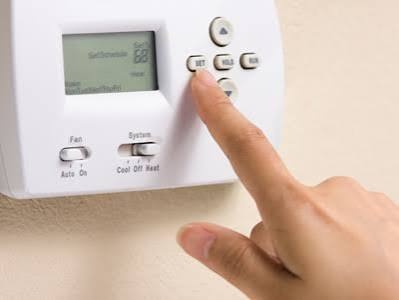
Smart thermostats are becoming increasingly important in modern residential HVAC systems. In 2026, homeowners are looking for more than basic temperature control. They want intelligent devices that can improve comfort, reduce energy consumption, monitor system performance, and integrate with other connected technologies.
Advancements in artificial intelligence, machine learning, wireless connectivity, occupancy sensing, and predictive diagnostics are transforming thermostats into sophisticated climate-management tools. These technologies can automatically adjust temperatures, analyze household patterns, and provide useful information about heating and cooling performance.
Despite these advances, homeowners may occasionally encounter connectivity problems, incorrect schedules, unresponsive controls, or configuration issues. Understanding the appropriate reset options can help restore normal operation without unnecessarily replacing an otherwise functional thermostat.
Why Smart Thermostats Are Becoming More Advanced
Traditional thermostats primarily relied on manually selected temperatures and fixed schedules. Modern smart thermostats use multiple sensors and software algorithms to make climate control more responsive.
A connected thermostat can monitor indoor temperature, humidity, occupancy, and outdoor conditions. Some models can also communicate with HVAC equipment and smartphone applications, allowing homeowners to manage their systems remotely.
Machine learning can identify recurring household patterns. For example, the thermostat may recognize when residents usually leave for work and return home, allowing it to reduce heating or cooling when the property is empty and restore comfortable conditions before occupants arrive.
This type of automation helps balance comfort with energy efficiency.
Understanding a Thermostat Reset
Homeowners searching for honeywell home thermostat reset information should first identify their exact thermostat model. There is no single reset procedure that applies to every Honeywell Home thermostat.
Honeywell Home's current support information lists different reset methods for models such as the T9, T10, T5/T5+/T6, Smart WiFi 9000, FocusPRO 6000, VisionPRO 8000, and other devices.
Depending on the model and problem, homeowners may have options for a factory reset, Wi-Fi reset, schedule reset, or other configuration resets.
Selecting the correct type of reset is important because a factory reset can remove customized settings and require the thermostat to be configured again.
Factory Reset and Schedule Reset Are Different
A factory reset generally returns a thermostat to its original configuration. This can be useful when troubleshooting persistent configuration problems or preparing a device for a new setup.
A schedule reset has a narrower purpose. It restores programmed temperature schedules while leaving other aspects of the thermostat configuration intact, depending on the model.
For example, Honeywell Home explains that T5, T5+, and T6 Pro Wi-Fi models have separate factory, schedule, Wi-Fi, and HomeKit reset options. The manufacturer recommends recording the existing installation and configuration information before performing a factory reset.
Understanding this distinction can prevent homeowners from unnecessarily deleting settings that they want to preserve.
Wi-Fi Connectivity Is a Growing HVAC Feature
Connected thermostats depend on reliable wireless communication for remote control and smart-home functionality. When a thermostat loses its network connection, a Wi-Fi reset may be more appropriate than a complete factory reset.
A Wi-Fi reset generally clears the existing wireless connection and allows the device to begin the pairing process again. The exact procedure varies according to the thermostat model.
Before resetting Wi-Fi, homeowners can also check whether their router is operating correctly and whether other household devices are connected to the network.
This simple troubleshooting step may resolve connectivity problems without changing thermostat programming.
Artificial Intelligence Is Transforming Climate Management
Artificial intelligence is one of the most significant trends shaping smart HVAC technology in 2026. AI-enabled thermostats can analyze temperature patterns, occupancy information, weather conditions, and historical energy use.
Instead of following rigid schedules, intelligent systems can make dynamic adjustments based on changing conditions.
Machine learning can also help thermostats identify homeowner preferences. Over time, the system may become better at maintaining comfortable temperatures while minimizing unnecessary HVAC operation.
These capabilities can contribute to lower energy consumption and more consistent indoor comfort.
Predictive Diagnostics Improve HVAC Reliability
Smart thermostats are increasingly becoming part of predictive HVAC maintenance systems. Connected equipment can monitor operating time, temperature response, equipment communication, and other performance characteristics.
When a system begins behaving differently from its normal pattern, intelligent monitoring can potentially identify the change and provide an alert.
Predictive diagnostics allow homeowners to investigate developing problems before they become major equipment failures.
For HVAC professionals, digital operating information can also make troubleshooting more efficient by providing historical data that may help identify the source of a problem.
Smart Home Integration Creates More Convenience
Modern thermostats can connect with smartphones, voice assistants, occupancy sensors, and other smart-home devices.
Remote access allows homeowners to adjust temperatures, modify schedules, monitor system status, and receive notifications while away from the property.
Voice control can make everyday adjustments easier, while occupancy sensors can help reduce HVAC operation when rooms are not being used.
This integration demonstrates how thermostats are becoming central components of broader home automation systems.
Energy Efficiency Remains a Key 2026 Trend
Energy efficiency continues to influence residential HVAC technology. Smart scheduling, geofencing, occupancy detection, adaptive learning, and weather-based adjustments can reduce unnecessary heating and cooling.
When combined with properly sized and maintained HVAC equipment, intelligent thermostat controls can help homeowners manage operating costs more effectively.
However, thermostat technology cannot compensate for serious equipment problems, restricted airflow, poor insulation, or incorrect system sizing. Whole-system maintenance remains essential for reliable performance.
What to Do Before Resetting a Thermostat
Before performing a honeywell home thermostat reset, homeowners should identify the exact model and determine what type of reset addresses the actual problem.
It is also wise to record customized schedules and configuration information before performing a factory reset. Honeywell Home provides model-specific instructions and recommends using the appropriate reset procedure for the device.
If the thermostat remains unresponsive, repeatedly loses power, or fails to communicate with the HVAC system after appropriate troubleshooting, professional assistance may be necessary.
The Future of Smart Thermostat Technology
Smart thermostat technology will continue advancing throughout 2026 and beyond. Artificial intelligence, predictive diagnostics, wireless connectivity, energy monitoring, and smart-home integration are creating increasingly capable climate-control systems.
For homeowners, these technologies can provide greater convenience, improved energy management, and better insight into HVAC performance.
Understanding the difference between factory, schedule, and Wi-Fi resets is an important part of responsible thermostat ownership. When intelligent controls are combined with professional HVAC maintenance and properly configured equipment, homeowners can create more comfortable, efficient, and future-ready living environments.

About Premium Author
This post has been authored and published by one of our premium contributors, who are experts in their fields. They bring high-quality, well-researched content that adds significant value to our platform.


Popular Categories
Stay Connected
Recent Posts